
Ukrzaliznytsia to Raise Freight Tariffs 30% From August 2026

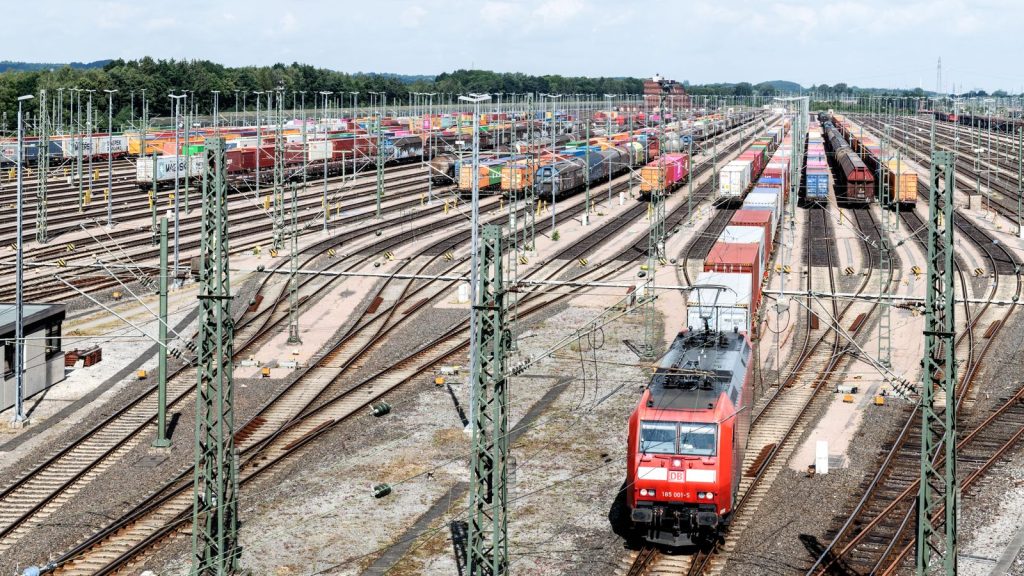
Ukrzaliznytsia is preparing its first rate revision in four years: a draft order proposes a 30% increase in freight tariffs for domestic rail transport in Ukraine from 1 August 2026. For exporters and importers moving cargo by rail to the ports of Greater Odesa, this is a direct rise in the rail leg of the chain — here is exactly what changes and how to build it into your logistics.
This is still a draft order, not a tariff in force. The start date — 1 August 2026 — and the percentage may be adjusted during approval. Factor the increase into your numbers early, but verify against the final document.
What changes from 1 August
Under the published draft, the first stage of indexation looks like this:
- +30% on tariffs for domestic freight rail transport within Ukraine.
- Unified charges for empty wagons: instead of the archaic rule where an empty run was priced by the cargo it previously carried, empty-wagon transport is being moved to a break-even basis — for some categories that means a markedly higher rate.
- A second stage, decided separately. Any further indexation from 1 January 2027 will be set in a separate order.
Per tonne, the carrier estimates the increase as roughly UAH 143.3 for coal, UAH 160.4 for iron ore and UAH 169 for grain, depending on the average haul distance. For grain and ore — the backbone of cargo flows heading to port transshipment — that surcharge applies to every consignment.
Why now
The last indexation dates back to 2022. Since then producer-price inflation has more than doubled, while electricity costs for traction have risen 2.4 times. With tariffs frozen and the hryvnia depreciating, rates actually fell by about 23% in euro terms over 2023–2026 — even as costs climbed. The carrier stresses that even after the 30% hike, the share of rail logistics in the final product price will stay below 2022–2023 levels, and Ukraine’s tariff level remains well below that of EU countries.
What it means for delivery to the Odesa hub
Rail is the main inland leg for grain, ore, metallurgical and chemical cargo on the way to the berths of Odesa, Chornomorsk and Pivdennyi. The increase hits the domestic “plant/elevator → port” leg, so the cost of getting cargo to the ship’s side will rise even if sea freight rates stay flat.
In practice you can soften this with tighter planning: booking wagons early, cutting idle time on access tracks, and syncing cargo arrival with the vessel schedule so you avoid storage and demurrage. Our freight forwarding and container shipping are built around exactly this — bringing the rail and sea legs into one schedule, where every day of idle time costs money.
Pricing logistics to the ports of Greater Odesa?
We’ll cost the “warehouse → port → ship’s side” route with the new rail rates in mind and flag where you can save on idle time.
FAQ
When does the new tariff take effect?
The first stage is planned for 1 August 2026. As this is still a draft order, the final date and percentage should be verified against the published document before signing contracts.
How much more will it cost to move grain?
The carrier estimates roughly UAH 169 more per tonne of grain, depending on the average haul. For ore the surcharge is about UAH 160.4/t, and for coal UAH 143.3/t.
Does anything change for empty wagons?
Yes. Charges for moving empty wagons are being unified onto a break-even basis — on some routes the rate will rise more than the baseline 30%. Account for this in schemes with return runs.


Leave a Reply